
Imaging
High-quality MRI and X-ray imaging is essential for an accurate orthopedic diagnosis. Here's what to bring — and why image quality matters.
Bring all outside imaging on a disk to upload before your visit or to bring with you. Dr. Gomoll needs to look at the images directly — not just the radiologist's report — to make a diagnosis. NYU Langone provides excellent MRI quality and is generally the preferred imaging location, but adequate-quality outside images are also acceptable.
Why imaging matters
Good-quality imaging is critical to an accurate diagnosis. X-rays and MRI scans are the most common modalities used in orthopaedics — X-rays show bones, while MRIs focus on soft tissues. Both are typically required for a complete picture before Dr. Gomoll can recommend treatment.
What to bring to your visit
If you have outside imaging, please make sure you have the actual images on a disk — either to upload before your visit or bring with you. If you request the results to be sent directly from the imaging facility, 90% of the time only the report gets faxed. Dr. Gomoll needs to look at the images directly, rather than relying on the radiologist's impression.
If imaging is not available at the time of your appointment, no final diagnosis or treatment plan can be provided. Please contact our office well in advance to coordinate image transfer.
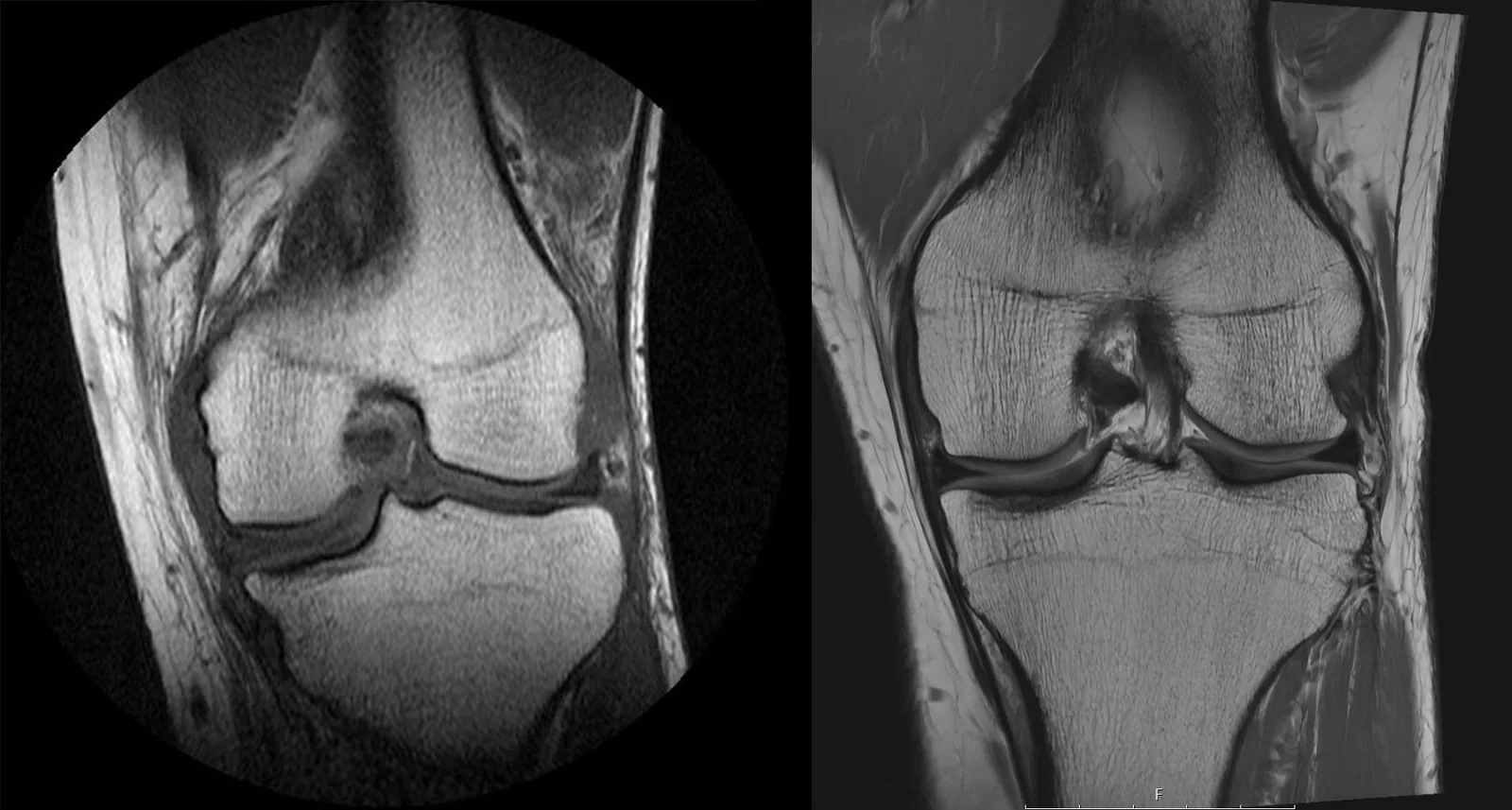
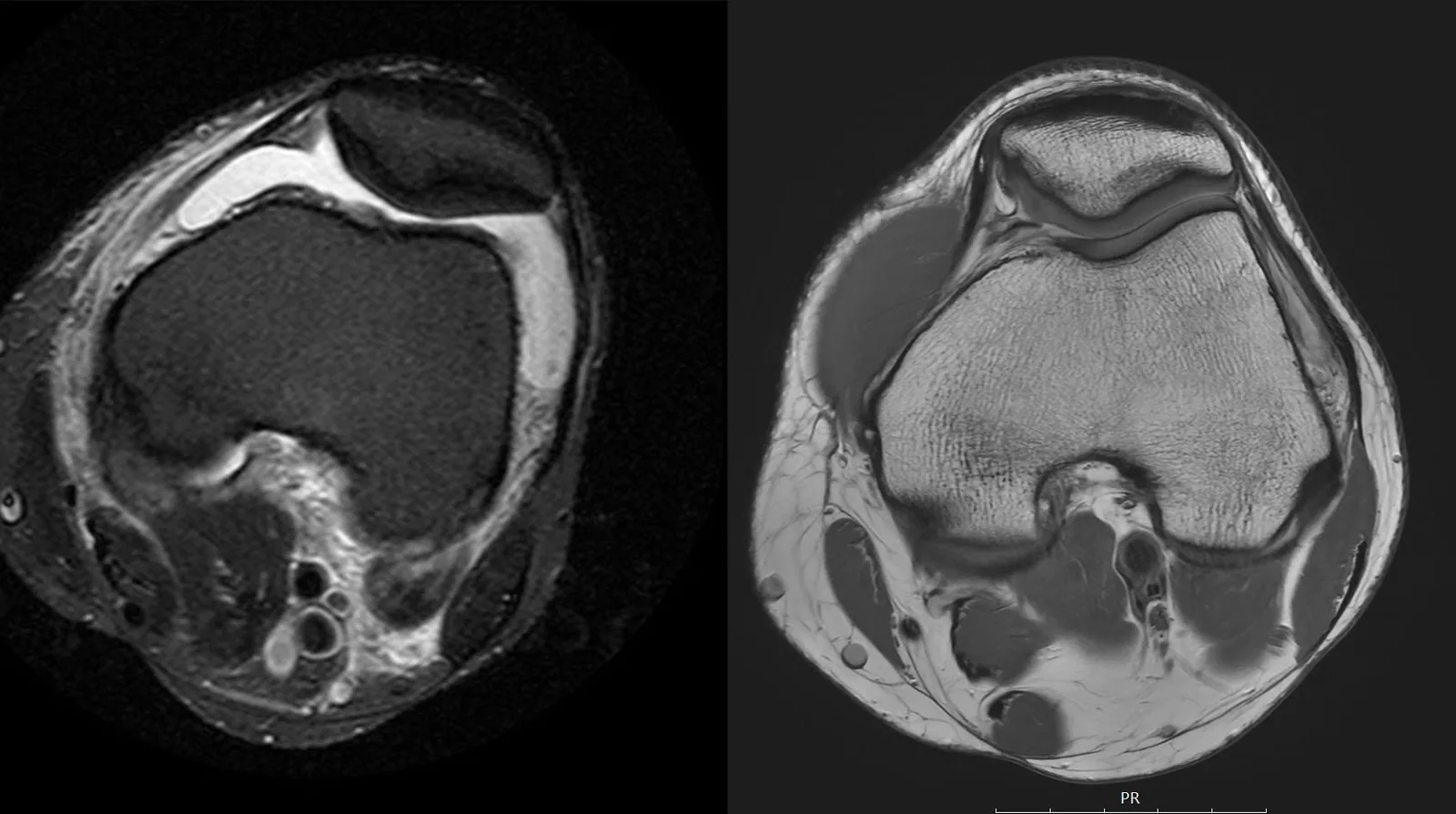
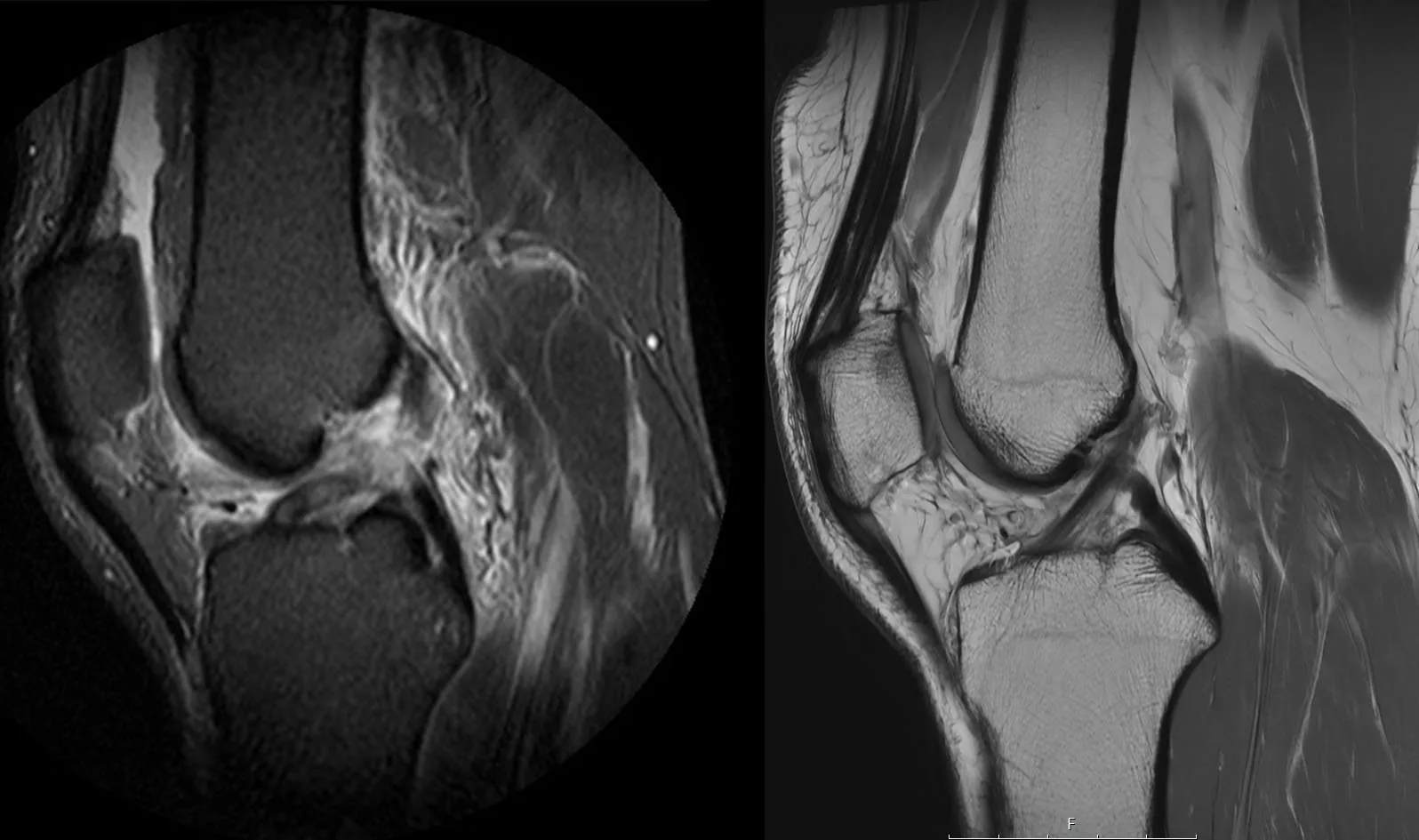
Outside MRI vs. high-resolution MRI quality
Outside imaging varies in quality. NYU Langone provides excellent MRI resolution and is generally the preferred location. However, as long as outside images are adequate quality, Dr. Gomoll is happy to review them or send you for additional imaging closer to home. Sometimes it is preferable to drive to an NYU Langone facility rather than risk an inadequate scan that does not help with diagnosis.
Next steps
- Already have imaging? Contact our office to upload it before your visit.
- Need imaging? Ask about NYU Langone imaging facilities convenient to you.
- Preparing for surgery? See our pre-op checklist and day-of-surgery guide.
Related patient information
- Before surgery — insurance approval, what to bring, and medications to stop
- Day of surgery — check-in, pre-op holding, and anesthesia at NYU Langone
- After surgery — recovery timelines, pain control, and return-to-activity
- Rehab (PT) protocols — phase-by-phase physical therapy plans by procedure